Actinic Keratosis – Symptoms, Assessment and Treatment Options

Understanding Actinic Keratosis and Cryotherapy

Actinic keratosis (AK), sometimes called solar keratosis, is a skin condition caused by long-term exposure to ultraviolet (UV) radiation from the sun or artificial sources such as sunbeds.
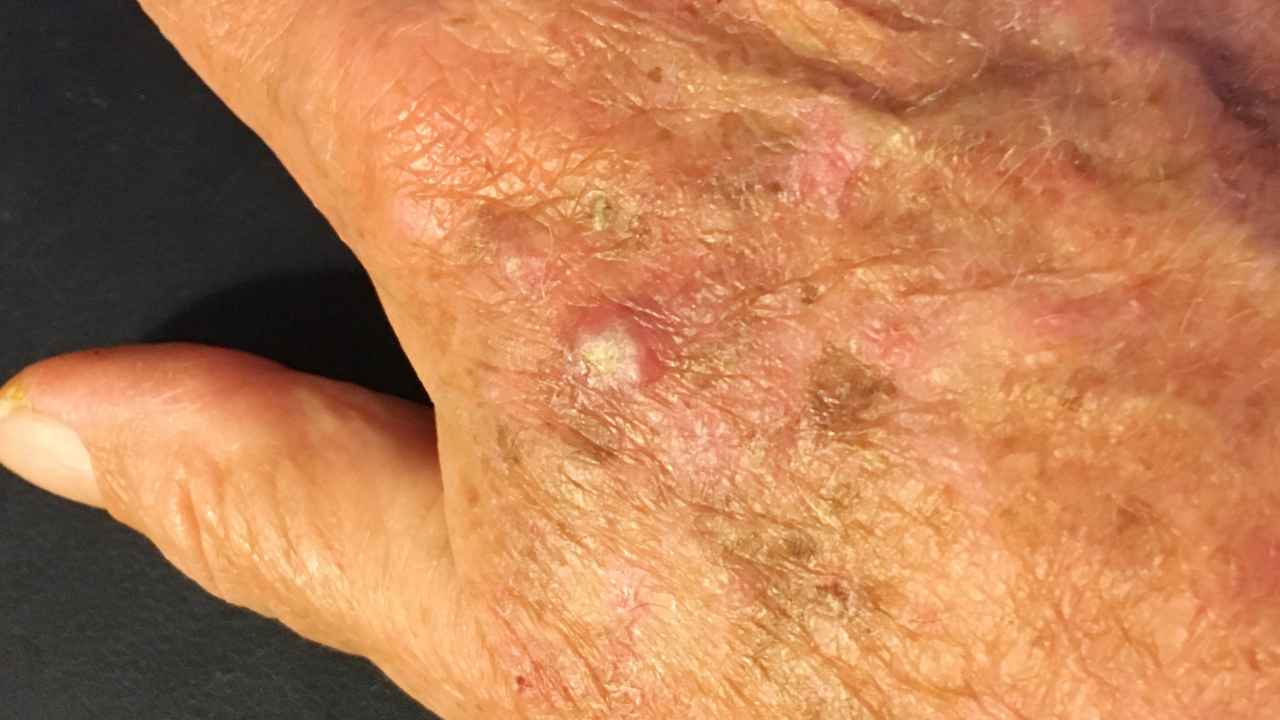
It usually appears as a rough, dry or scaly patch on areas of skin that have received a lot of sun exposure over the years.
Although many actinic keratoses remain harmless, some can develop into a type of skin cancer called squamous cell carcinoma (SCC). This is why it’s important to have any new, changing or unusual skin patches checked by a GP or dermatologist.
Actinic Keratosis Greater London (Hammersmith and Fulham)

What Does Actinic Keratosis Look Like?

Actinic keratoses often develop gradually and may be easier to feel than see.
Common features include:
  • Rough or scaly patches that feel like sandpaper
  • Pink, red, brown or skin-coloured areas
  • Dry, crusty or slightly raised skin
  • Occasional itching, tenderness or irritation
  • Patches appearing on sun-exposed areas, including the face, scalp, ears, hands and arms
Appearance can vary depending on skin tone, location, and the extent of sun damage.
Not every rough or scaly patch is an actinic keratosis. Other skin conditions can look similar, so a medical assessment is important before treatment.

What Causes Actinic Keratosis?

Years of ultraviolet radiation exposure can damage skin cells, leading to changes in the outer layers of the skin.
Actinic keratoses are more common in people who have spent significant time outdoors, used sunbeds or experienced repeated sun exposure.
The condition becomes more common with age, although younger adults can also develop it.
People with fair skin and weakened immune systems may be at higher risk.

Why Is Medical Assessment Important?

Most actinic keratoses do not develop into skin cancer, but it isn’t always possible to predict which lesions might change.
Some skin cancers can also resemble actinic keratosis.
If you notice a patch that is growing, bleeding, becoming painful, changing colour or developing into a lump, arrange an appointment with your GP.
A healthcare professional can assess the area and decide whether monitoring, treatment or referral to a dermatologist is appropriate.

Actinic Keratosis Treatment Options

Not every actinic keratosis needs immediate removal. The best approach depends on the number of patches, their appearance, location and your medical history.
Following diagnosis, a healthcare professional may recommend one of several options.

Prescription Creams & Gels

Certain prescription treatments can manage actinic keratoses, particularly when several patches are present.
Your GP or dermatologist can explain which options may be appropriate and how to use them.

Photodynamic Therapy

Photodynamic therapy (PDT) involves applying a light-sensitive preparation to the affected skin before exposing it to a specific light source.
This is usually arranged through an appropriate medical service.

Surgical Treatment

Some lesions may need to be removed or sampled for examination, particularly where the diagnosis is uncertain, or skin cancer is suspected.
A healthcare professional will decide whether this is necessary.

Cryotherapy for Actinic Keratosis

Cryotherapy uses controlled freezing to treat selected skin lesions.
It is an established medical treatment for certain actinic keratoses, particularly individual lesions assessed and diagnosed by an appropriate healthcare professional.
The freezing process damages the targeted tissue, which may blister, crust and gradually heal.
Treatment response varies. Some lesions may need further assessment or treatment, and recurrence is possible.

CryoPen and Actinic Keratosis

CryoPen is a device used for controlled cryotherapy in certain skin procedures.
However, not every cryotherapy device is suitable for treating actinic keratosis, and the availability of a CryoPen service does not mean that a potentially precancerous lesion can be treated as a routine cosmetic blemish.
A doctor should assess actinic keratosis before considering any treatment.
At LA LIPO, our cosmetic blemish removal information should not be used as a substitute for a medical diagnosis or specialist dermatology advice.
 

Actinic Keratosis FAQs

Find answers to some of the most common questions about cryopen treatment, including how it works, what to expect, results and suitability.
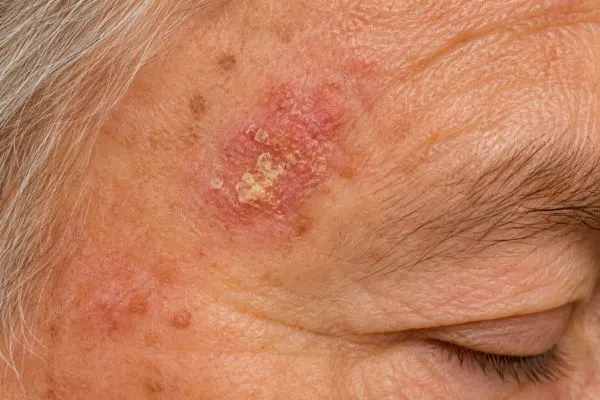
Actinic keratosis is a rough or scaly patch of skin associated with long-term UV exposure.
It is considered a potentially precancerous condition because a small proportion of lesions can develop into squamous cell carcinoma.
Actinic keratosis is not usually classified as invasive skin cancer, but it is associated with an increased risk of squamous cell carcinoma.
A GP or dermatologist can assess suspicious patches and advise whether further investigation is needed.
Yes. Cryotherapy is an established treatment option for certain medically diagnosed actinic keratoses.
However, it must be provided in an appropriate clinical context by a suitably qualified professional using equipment intended for that purpose.
If you suspect you have actinic keratosis, your first step should be to arrange a medical assessment rather than book a cosmetic removal appointment.
A diagnosis and suitable treatment plan are important before considering any freezing procedure.
Some people experience stinging, burning or discomfort during freezing.
The treated area may remain tender afterwards, and blistering or crusting can occur as the skin heals.
Healing times vary depending on the size, depth and location of the treated area.
Some areas heal within a couple of weeks, while others can take longer.
Your treating healthcare professional should explain what to expect and how to care for the skin afterwards.
Possible side effects include:
  • Redness and swelling
  • Blistering or crusting
  • Temporary discomfort
  • Changes in skin pigmentation
  • Infection or delayed healing
  • Scarring
Some changes, particularly pigmentation changes or scarring, may be permanent.
Not necessarily. Some lesions respond to one treatment, while others may require further assessment or a different approach.
No treatment can guarantee permanent clearance.
Yes. Previously treated lesions may recur, and new patches can develop on other areas of sun-damaged skin.
Regular skin checks and sun protection remain important.
Protecting your skin from UV exposure is particularly important if you have actinic keratosis.
You can help protect your skin by:
  • Using broad-spectrum sunscreen with SPF 30 or higher
  • Reapplying sunscreen as directed
  • Wearing a hat and protective clothing
  • Seeking shade during periods of strong sunlight
  • Avoiding sunbeds
  • Checking your skin regularly for changes
Arrange a GP appointment if you notice a new or changing patch of rough, scaly skin.
Seek medical advice promptly if a lesion bleeds, becomes painful, grows quickly, changes appearance or develops into a lump.

Find Out More About CryoPen Blemish Removal

LA LIPO provides information about CryoPen treatment for selected benign cosmetic skin concerns.
If you have an undiagnosed lesion or believe you may have actinic keratosis, please arrange an appropriate medical assessment before considering cosmetic treatment.
 
Important Information: This page is intended to help you understand actinic keratosis and the available treatment options. LA LIPO does not provide diagnosis or treatment for this condition. If you notice any unusual or changing patches on your skin, please speak to your GP or dermatologist before considering any cosmetic procedure.